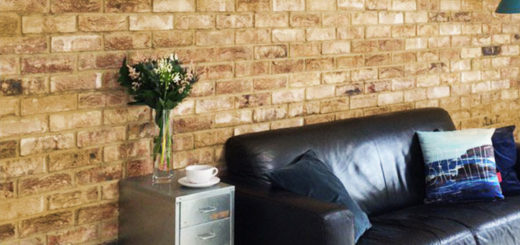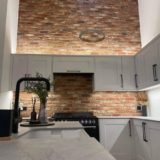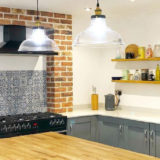




Exposed brick walls have become one of the most desirable features in modern homes, blending timeless character with contemporary design. Whether you are planning a full renovation or simply updating a tired room, exposed brick can instantly transform a kitchen, dining room, or living space into a warm and stylish environment. From rustic farmhouse aesthetics to sleek urban lofts, brick walls work beautifully across a wide range of interior styles.

In recent years, homeowners following the latest kitchen design trends have increasingly embraced natural textures and industrial-inspired finishes. An exposed brick wall introduces depth, texture, and personality while creating a focal point that feels authentic and inviting. Whether you already have original brickwork hidden behind plaster or you are considering brick slips for a decorative feature wall, understanding how to style exposed brick properly is essential for achieving a polished result.
Why Exposed Brick Walls Remain Popular?
One reason exposed brick continues to dominate kitchen design trends is its versatility. Brick complements both modern and traditional interiors while adding warmth that many minimalist spaces often lack. The natural imperfections within brickwork create visual interest, helping rooms feel lived-in rather than overly manufactured.
Homeowners looking for kitchen renovation tips often choose exposed brick because it pairs effortlessly with materials like wood, steel, marble, and concrete. This adaptability allows brick to evolve alongside changing décor styles without needing constant updates.
In modern homes, exposed brick is commonly used to create:
- Feature kitchen walls
- Fireplace surrounds
- Dining room accents
- Rustic breakfast bar backdrops
- Industrial-style open-plan kitchens
- Statement chimney breasts
The texture and colour variation found in real brickwork also enhance natural lighting by creating subtle shadows and contrast throughout the day.
Choosing the Right Style of Exposed Brick!
Before styling your wall, it is important to decide what type of finish you want. Different brick styles create entirely different atmospheres within a room.
Rustic Kitchen Design
A rustic kitchen design benefits from warmer-toned brick with visible imperfections and aged textures. Traditional red brick, reclaimed brick slips, and weathered mortar joints help create a cosy farmhouse feel.
To complement rustic brickwork, consider pairing it with:
- Solid oak worktops
- Shaker cabinets
- Bronze or brass hardware
- Open wooden shelving
- Warm pendant lighting
- Natural stone flooring
This combination creates a welcoming environment that feels timeless rather than trend-driven.
Industrial Kitchen Style
For a more urban appearance, an industrial kitchen style works best with darker or more uniform brick finishes. Grey-toned brick, exposed steel beams, black-framed windows, and concrete surfaces all contribute to the industrial aesthetic.
Industrial kitchens often incorporate:
- Matte black fittings
- Stainless steel appliances
- Minimalist cabinetry
- Edison bulb lighting
- Concrete worktops
- Open-plan layouts
The rough texture of exposed brick softens the otherwise hard edges typically associated with industrial interiors.
Best Colour Schemes for Brick Wall Kitchens
A well-designed brick wall kitchen depends heavily on colour balance. Since brick naturally draws attention, surrounding colours should enhance rather than overpower it.
Neutral and Earthy Tones
Soft neutrals work exceptionally well with exposed brick. Creams, taupes, warm greys, and off-whites allow the brick texture to remain the focal point while maintaining a bright and airy atmosphere.
Earthy colour palettes also complement rustic kitchen design beautifully by creating a grounded and natural aesthetic.
Dark Contrasts
In modern interiors, darker colours can create striking contrast against exposed brick walls. Navy blue cabinets, charcoal units, and matte black fixtures all help create a sophisticated industrial-inspired look.
This approach is particularly effective in larger kitchens where darker colours will not overwhelm the space.
Whitewashed Brick
Some homeowners prefer to soften the appearance of exposed brick by applying a light whitewash finish. Whitewashed brick maintains texture while creating a brighter and more contemporary appearance.
This technique works especially well in smaller kitchens where natural light may be limited.

Lighting Tips for Exposed Brick Kitchens
Lighting plays a major role in highlighting the texture and depth of exposed brick walls. Poor lighting can make brick appear dull or uneven, while well-positioned lighting enhances every detail.
Use Warm Lighting
Warm LED lighting complements the natural tones found in brickwork. Cooler white lighting can sometimes make red brick appear harsh or clinical.
Pendant lights with warm bulbs are especially effective in exposed brick kitchen spaces.
Add Wall Lighting
Wall sconces and directional spotlights help emphasise texture by creating subtle shadows across the surface. This layered lighting effect enhances the natural character of the brick.
Maximise Natural Light
Large windows, skylights, and glass doors help exposed brick feel lighter and more open. Natural daylight brings out the variations in colour and mortar detail.

Styling Shelving and Accessories
Exposed brick walls create the perfect backdrop for open shelving and decorative accessories. However, balance is important to avoid making the room feel cluttered.
Floating Wooden Shelves
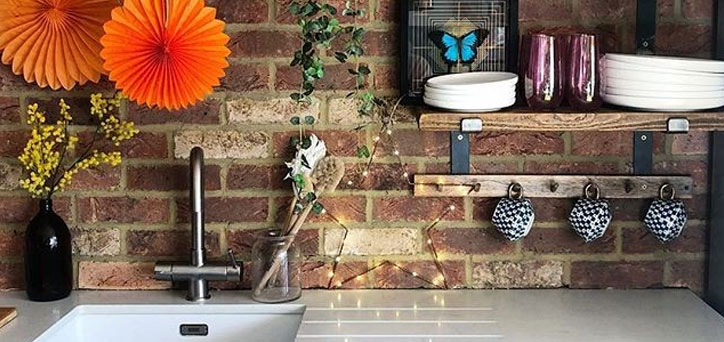
Wooden floating shelves are among the most popular additions to a brick wall kitchen. The warmth of natural timber pairs beautifully with exposed brick textures.
Use shelves to display:
- Ceramic dishes
- Cookbooks
- Indoor plants
- Glass jars
- Vintage kitchenware
Metal Accents
Black steel brackets, copper accessories, and industrial shelving systems complement exposed brick particularly well in modern interiors.
Greenery and Plants
Indoor plants soften brick surfaces and introduce freshness into the space. Herbs, hanging plants, and potted greenery work especially well in kitchens.
Exposed Brick Chimney in Kitchen Designs
An exposed brick chimney in kitchen layouts can become a stunning architectural feature. Original chimney breasts naturally draw attention and often add historical character to older properties.
Many homeowners use exposed chimney brickwork to:
- Frame cooker hoods
- Create feature alcoves
- Highlight wood-burning stoves
- Add vertical texture to open-plan kitchens
When styling around an exposed chimney breast, symmetry often works best. Open shelving or matching cabinetry on either side can help balance the space visually.
For a modern twist, some designers combine traditional brick chimney features with sleek contemporary cabinetry and integrated appliances.

Protecting and Maintaining Exposed Brick Walls
While exposed brick is visually appealing, proper maintenance is essential for long-term durability.
Seal the Brick
Brick is naturally porous and can absorb grease, moisture, and stains, especially in kitchen environments. Applying a breathable sealant helps protect the surface without affecting its appearance.
Clean Gently
Avoid harsh chemicals or aggressive scrubbing. Instead, use a soft brush and mild soap solution to remove dust and cooking residue.
Repair Mortar When Needed
Older brickwork may occasionally require repointing to maintain structural integrity and appearance. Crumbling mortar joints should be repaired promptly to prevent further deterioration.
Combining Brick with Modern Kitchens
One of the biggest misconceptions about exposed brick is that it only suits older or rustic homes. In reality, modern kitchens can benefit enormously from brick textures when styled correctly.
To blend exposed brick with contemporary design:
- Choose handleless cabinetry
- Use integrated appliances
- Add minimalist lighting
- Introduce polished stone surfaces
- Keep décor uncluttered
This contrast between old and new creates a highly desirable balance that feels both sophisticated and welcoming.
Many current kitchen design trends focus on mixing natural materials with clean modern lines, making exposed brick an ideal feature in contemporary renovations.

Small Kitchen Ideas with Exposed Brick
Even compact kitchens can successfully incorporate exposed brick walls without feeling cramped.
Use Brick on One Wall Only
In smaller rooms, limiting brick to a single feature wall prevents the space from becoming visually overwhelming.
Choose Light-Coloured Brick
Lighter brick tones help maintain brightness and openness.
Pair with Reflective Surfaces
Gloss cabinetry, mirrored splashbacks, and polished worktops reflect light around the room and balance the heavier texture of brick.
Brick Slips as an Alternative
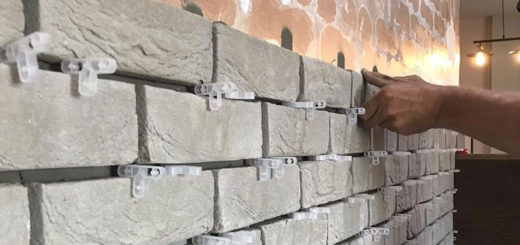
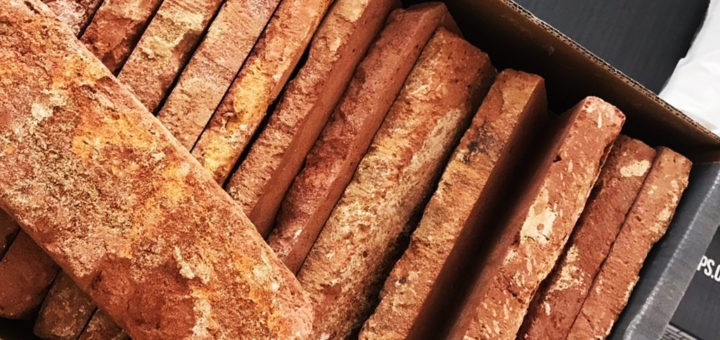
If your property does not have original brickwork, brick slips provide an excellent alternative. Our Brick slips are thin cuts of real brick that can be installed onto existing walls, offering the authentic appearance of traditional brick without major structural work.
Brick slips are particularly useful for:
- Modern homes
- Apartments
- Kitchen renovations
- Feature walls
- Fireplace surrounds
High-quality brick slips replicate the texture, depth, and colour variation of full brick walls while being easier to install and maintain.
Our thoughts…
Exposed brick walls continue to dominate modern interior design because they add warmth, texture, and character that many contemporary materials cannot replicate. Whether you prefer a cosy rustic kitchen design or a bold industrial kitchen style, exposed brick offers endless styling possibilities.
From carefully chosen lighting to complementary colour schemes and thoughtful accessories, the right design approach can transform a simple brick wall into the centrepiece of your home. Whether using original brickwork or modern brick slips, incorporating exposed brick into your kitchen creates a timeless aesthetic that remains both practical and visually striking.
As more homeowners seek authentic and textured interiors inspired by evolving kitchen design trends, exposed brick walls are likely to remain one of the most sought-after design features for years to come.