



Introduction to Modern Architectural Finishes
Design today is no longer about simply covering walls. It’s about shaping how a space feels, sounds, and ages over time. Materials are doing more heavy lifting than ever, and finishes like wood panelling and brick slips have stepped firmly into the spotlight.
Why Material Choice Matters in Contemporary Design
Think of materials as the language of a building. Choose the wrong words and the message falls flat. Choose the right ones, and the space speaks clearly and confidently. Wood and brick, when used properly, communicate warmth, permanence, and intent. They’re not trying to impress loudly. They impress quietly, over time.
The Shift from Decorative to Architectural Surfaces
Once upon a time, panelling and brick were purely decorative. Today, they’re architectural tools. They define zones, control acoustics, and anchor spaces visually. This shift is why designers and architects keep returning to them, again and again.
Understanding Wood Panelling in Modern Design

What Is Wood Panelling Today?
Modern wood panelling isn’t stuck in the past. Forget heavy, dark interiors and dated patterns. Today’s systems are clean, modular, and adaptable, designed to work seamlessly in both homes and commercial environments.
Evolution from Traditional to Contemporary Use
Traditional panelling was about ornament. Contemporary panelling is about structure. Slatted walls, shadow gaps, concealed fixings, and acoustic backing have turned timber into a precision finish rather than a decorative afterthought.
Solid Timber Panelling
Solid timber is the purist’s choice. It brings depth, grain variation, and authenticity that simply can’t be faked. It ages gracefully, developing character over time like a well-worn leather jacket.
Engineered Wood Panelling
Engineered timber offers stability where solid wood might struggle. It’s ideal in environments with fluctuating temperatures or humidity, delivering the look of real wood without the headaches.
Veneered MDF Panels
Veneered MDF is the quiet workhorse of commercial interiors. Consistent, cost-controlled, and visually refined, it allows designers to achieve a premium look at scale.

Visual and Functional Benefits of Wood Panelling
Warmth, Texture, and Rhythm
Wood softens hard spaces. It breaks up flat surfaces and introduces rhythm through repetition. Even minimalist interiors benefit from timber’s ability to make spaces feel human.
Acoustic and Spatial Advantages
Ever walked into a room that just feels calmer? That’s often acoustics at work. Timber absorbs sound, reduces echo, and makes open spaces more comfortable to occupy.
Vertical vs Horizontal Applications
Vertical panelling draws the eye upward, making ceilings feel higher. Horizontal layouts stretch spaces visually. It’s a simple trick, but incredibly effective when used intentionally.

Interior Applications of Brick Slips
Feature Walls and Focal Points
A brick slip wall immediately anchors a space. Behind a sofa, TV, or bed, it creates a focal point that feels intentional rather than decorative.
Fireplaces, Stairwells, and Structural Elements
Brick excels where structure meets design. Chimney breasts, stair cores, and columns gain presence when finished in brick slips.
Commercial and Hospitality Fit-Outs
Restaurants, offices, and hotels rely on brick slips for durability and atmosphere. They handle wear while delivering character in high-traffic areas.

Why Combine Wood Panelling and Brick Slips
Contrast Between Warmth and Solidity
Brick is grounding. Wood is welcoming. Together, they strike a balance that feels complete. One supports, the other softens.
Creating Balance and Visual Hierarchy
When everything competes for attention, nothing wins. Using brick as an anchor and timber as a complement creates clear hierarchy.
Zoning and Spatial Definition
Open-Plan Living Strategies
Open-plan doesn’t mean undefined. Brick can mark functional zones, while timber guides movement and frames areas subtly.
Layering Without Physical Partitions
No walls. No doors. Just materials doing the work. That’s smart spatial design.
Interior Design Strategies Using Both Materials
Feature Walls with Architectural Intent
A brick slip feature wall paired with timber side panels or ceilings feels deliberate, not decorative. It’s design with purpose.
Kitchens and Dining Areas
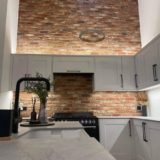
Brick slips as splashbacks or full-height walls add texture. Timber islands or ceilings bring warmth, stopping kitchens from feeling clinical.
Bedrooms and Hospitality Spaces
Brick grounds the space. Timber softens it. The result? Calm, comfort, and a boutique feel that lasts.

Installation Considerations for Long-Term Performance
Substrate Preparation
Flat, stable substrates are non-negotiable. Brick slips demand solid backing. Timber needs accurate fixing systems.
Movement and Expansion
Wood moves. Always. Ignoring this is the fastest way to failure. Brick doesn’t move much, but adhesives and mortars matter.
Fire and Moisture Performance
Correct specifications aren’t optional. Fire-rated boards, moisture resistance, and ventilation protect both performance and compliance.
Sustainability and Material Longevity
Lifespan and Durability
Brick slips can last decades. Timber, properly sourced and finished, ages beautifully rather than wearing out.
Responsible Material Sourcing
Certified timber and long-life masonry reduce replacement cycles. That’s sustainability without compromise.
Creating a Cohesive Design Language
Hierarchy, Restraint, and Detail
Good design is edited design. Every material should earn its place.
Designing for Timeless Appeal
Trends fade. Materials endure. Use them thoughtfully and they’ll outlast fashions.

Conclusion
Wood panelling and brick slips aren’t trends. They’re tools. Used together, they create spaces that feel grounded, warm, and confidently designed. When specified with clarity and restraint, this combination delivers interiors and exteriors that don’t just look good on day one, but continue to perform and age beautifully for decades.
Frequently Asked Questions
Can wood panelling and brick slips be used in small spaces?
Yes. When used selectively, they add depth rather than clutter, making small spaces feel intentional.
Are brick slips suitable for bathrooms or kitchens?
Absolutely, provided correct waterproofing and sealants are used.
Does wood panelling require high maintenance?
Not necessarily. Modern finishes and engineered products reduce upkeep significantly.
Can brick slips be used on existing walls?
Yes. That’s one of their biggest advantages, especially in refurbishments.
Is combining both materials expensive?
Costs depend on specification, but smart detailing often reduces long-term maintenance and replacement costs.