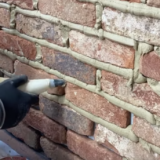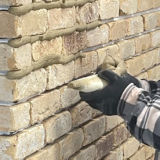




So, you’ve got some mortar pointing to do? Whether it’s fresh brickwork, repointing a weathered wall, or finishing off your beautiful new brick slips, using the right tools is absolutely essential. Trust me, the right kit makes the job smoother, faster, and way more satisfying.
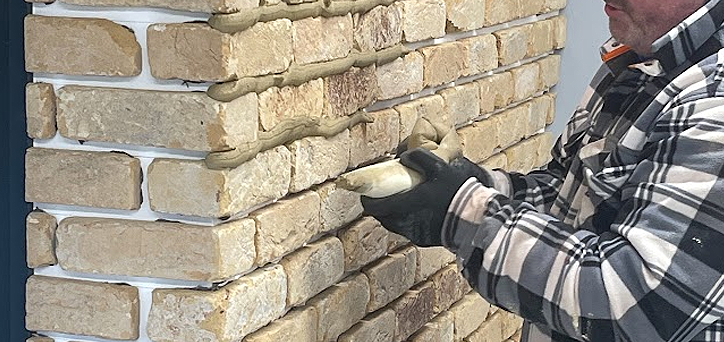
What Is Pointing Mortar?
Pointing mortar is the finishing layer of mortar applied between bricks or stonework to seal joints, protect against weather, and give a tidy appearance. It’s both a protective layer and an aesthetic feature and getting it right is all about the tools you use.
Why Proper Tools Matter for Pointing
Imagine trying to butter a slice of bread with a spade sounds ridiculous, right? Well, that’s what it’s like trying to point a wall with the wrong tools. Accurate tools let you apply mortar neatly, compact it fully, and achieve a clean joint that looks pro and lasts years.
Essential Tools for Traditional Mortar Pointing
Pointing Trowels
The backbone of any pointing job the pointing trowel.
London Pattern vs Philadelphia Pattern
-
London Pattern: Great for tight corners and precise placement.
-
Philadelphia Pattern: Holds more mortar and suits larger joints.
Choose based on the job smaller, intricate work benefits from London patterns, while wide joints prefer Philadelphia style.
Bucket Trowels
You’ll need one of these to scoop mortar from your mixing bucket onto your hawk or trowel. It’s wide, curved, and makes your life way easier.
Joint Rakers
Before you point, you’ve got to rake out the old or excess mortar. A joint raker, which often has a wheel and handle, helps you do that cleanly without damaging the bricks.

Plugging Chisels
Need to remove mortar in vertical joints? Plugging chisels are slim and sharp made just for the job.
Mortar Hawks
A small board with a handle underneath. It holds your mortar while you work meaning less up and down between bucket and wall. Think of it as your portable mortar tray.
Margin Trowels
Perfect for tight spaces and precision application. Especially handy when working with smaller bricks or brick slips.
Specialized Tools for Modern Mortar Pointing
Mortar Guns (Pointing Guns)
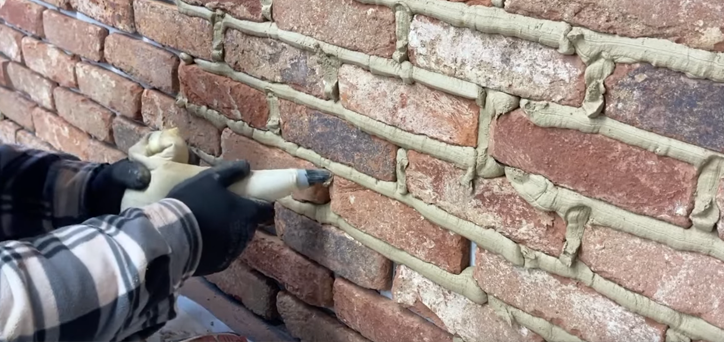
One of the biggest time savers. You load the mortar in and squeeze it into the joint. Super helpful for brick slips or recessed joints. We supply mortar pointing guns here on our website if you wish to go check them out.
Manual vs Pneumatic Mortar Guns
-
Manual: Simple, affordable, and ideal for DIYers.
-
Pneumatic: Faster and less tiring for large projects, but needs an air compressor.
Pointing Irons
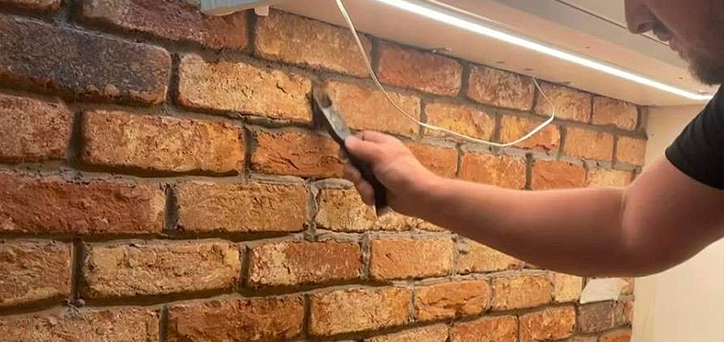
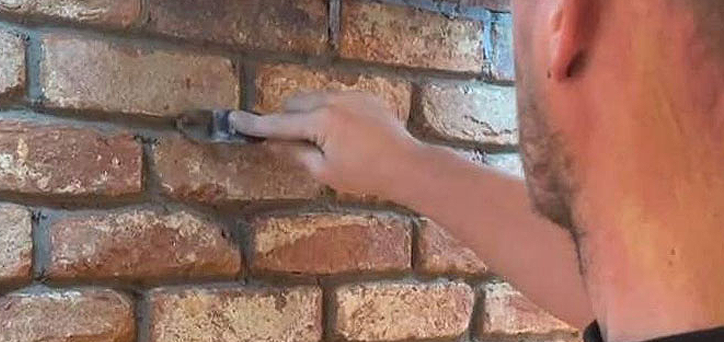
Used after mortar is applied to smooth and compress it. This is where the finish comes alive weathered, concave, flush whatever your style.
Mortar Finger Trowels
Yes, they’re a thing! These tiny trowels are perfect for filling narrow or detailed joints, like on thin brick slips or heritage work. Also worth adding, brick jointers are a great method for this, perfect size and are always available to order direct from us!
Power Tools for Mortar Removal and Application
Angle Grinders with Mortar Raking Blades
When you’ve got old, hard mortar to remove, this is your go-to. Pair it with a diamond blade made for mortar it cuts like butter (well, dusty butter).
Multi-Tools with Rake Attachments
For those tricky spots where an angle grinder is overkill. A multi-tool gives you precision, especially around window frames or tight corners.
Must-Have Accessories
Mixing Buckets and Drill Mixers
You’ll want a heavy-duty mixing bucket and a paddle mixer drill. Getting your mortar to the right consistency makes pointing cleaner and easier.
Jointing Profiles
If you want to shape your joints perfectly (concave, vee, etc.), get a set of jointing profiles. They’ll give you consistent results across every brick.
Wire Brushes and Soft Bristle Cleaners
Once your mortar starts to set, you’ll want to brush off any excess. A wire brush for tough bits, soft bristle for sensitive areas they both have a role.
Safety Equipment for Pointing Work
Dust Masks and Goggles
Old mortar dust is no joke. It’s harmful and messy. Always wear a mask and goggles especially when grinding or chiseling.
Heavy-Duty Gloves
Mortar is alkaline and abrasive. A good pair of gloves protects your hands from drying out or cracking.
Knee Pads and Protective Clothing
If you’re working low down, save your knees. Also, wear old clothes or overalls mortar doesn’t forgive.
Choosing the Right Tool for the Job
Matching Tools to Mortar Type
Different mortar types need different tools. Lime mortars tend to be stickier and more pliable, while cement mortars can be stiffer and grittier.
Pointing Style Considerations
Are you going for a flush joint? Weathered? Recessed? Each style might need a different iron or smoothing tool.
Tips for Efficient and Clean Mortar Application
Keep Your Tools Clean
Mortar dries fast. If it sets on your tools, it’ll ruin your next mix. Wash everything regularly.
Work in Small Sections
Pointing isn’t a race. Apply mortar in small sections and finish them before they begin to dry.
Don’t Let Mortar Dry on Tools
Seriously can’t stress this enough. It’ll shorten their life and make every job harder than it needs to be.
Conclusion
When it comes to applying pointing mortar, the right tools can make the difference between a frustrating mess and a job well done. Whether you’re repointing an old wall, finishing brick slips, or taking on a new build, investing in the correct tools and knowing when to use them is the real secret sauce. Trust your hands, prep your workspace, and don’t skimp on the little things. Your wall (and your sanity) will thank you.
FAQs
What is the best tool for pointing between brick slips?
A mortar gun is usually the best tool for brick slips. It allows precise control and minimizes mess.
Can I use a mortar gun with ready-mixed mortar?
Not all ready-mixed mortars are suitable. The mortar should be smooth and not too gritty otherwise it can clog the gun.
Do I need to rake out old mortar before repointing?
Yes! Old, loose, or damaged mortar must be removed for the new pointing to bond properly.
What’s the difference between a pointing iron and a trowel?
A trowel is for applying mortar, while a pointing iron shapes and compacts the joint for a neat finish.
How long does pointing mortar take to dry?
It depends on weather and mortar type, but generally 24–48 hours for the initial set and up to 28 days for a full cure.