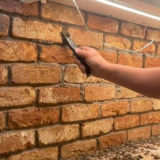




Have you noticed a white, chalky deposit forming on the surface of your brick slips or mortar joints? That unsightly substance is known as efflorescence, and it’s more than just a cosmetic nuisance. For property owners, contractors, and DIYers working with brick slips, understanding efflorescence is key to maintaining both the visual appeal and the structural integrity of brick installations.
In this guide, we’ll explore what efflorescence is, why it affects brick slips in the UK, and most importantly how to treat and prevent it.

What is Efflorescence?
Efflorescence is a white, powdery substance that forms on the surface of brick slips, mortar, and other masonry products. It appears when water-soluble salts within the materials are brought to the surface by moisture. Once the water evaporates, it leaves behind the salt deposits.
In the case of brick slips, especially when used on exterior walls or less ventilated indoor areas, efflorescence is a sign that moisture is moving through the surface, carrying salts with it.
Why is Efflorescence Common in the UK?
The UK’s damp climate plays a significant role. Frequent rain, high humidity, and colder winters all contribute to moisture ingress – especially in properties without modern waterproofing. Brick slips installed on exterior façades, boundary walls, or garden features are particularly vulnerable, but interior installations can also be affected by poor ventilation or rising damp.
Other contributing factors include:
-
Unwashed or contaminated sand in mortar
-
High-alkali cement in the mix
-
Inadequate damp proofing or cavity trays
-
Failure to apply breathable sealants
-
Improper curing of mortar before exposure to rain
Brick slips, though generally less porous than traditional clay bricks, still require proper protection and installation techniques to resist moisture migration.
The Science Behind Efflorescence
Efflorescence follows a three-step process:
-
Soluble Salts exist in cement, sand, and bricks.
-
Water dissolves these salts during rain or condensation.
-
Evaporation causes water to rise and leave salts behind as it dries on the surface.
It’s much like sugar rising up a wet coffee stirrer—moisture moves via capillary action and leaves a residue.
Where Do the Salts Come From?
In most UK installations, salts originate from the Portland cement used in mortar or from unwashed sand. Clay bricks and some types of brick slips may also contain small quantities of natural salts. If the brick slips or the substrate beneath were not sealed properly, water can draw these salts to the surface over time.
Signs that salt levels are too high include:
-
Frequent white bloom on new walls
-
Cracking or flaking mortar joints
-
Repeated staining after cleaning
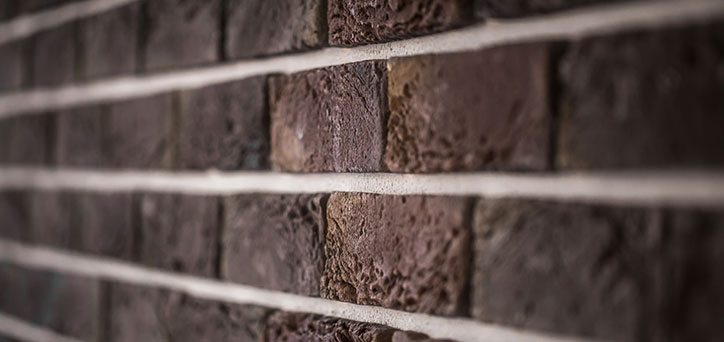
Is Efflorescence Harmful?
At first glance, efflorescence appears to be just an aesthetic issue. But repeated or long-term occurrences can signal deeper problems:
-
Weakened mortar joints
-
Peeling or bubbling paint
-
Trapped moisture in walls
-
Potential mould growth behind surfaces
-
Spalling of brick slips in frost
In short, while efflorescence itself is not dangerous or toxic, it’s a visible warning sign that moisture management needs attention.
Identifying Efflorescence vs. Mould
Efflorescence and mould are easily confused. Here’s how to tell the difference:
| Feature | Efflorescence | Mould |
|---|---|---|
| Texture | Dry and powdery | Soft and fuzzy |
| Colour | White or light grey | White, green, or black |
| Smell | No smell | Musty, damp odour |
| Solubility | Dissolves in water | Does not dissolve |
Quick Test: Wipe the stain with water. If it dissolves, it’s efflorescence.
Prevention: Best Practices for Brick Slip Installations
To reduce the risk of efflorescence in your brick slip projects, take the following precautions:
1. Use the Right Mortar
-
Opt for low-alkali cement
-
Always use washed, graded sand
-
Mix mortar with clean tap water—avoid saline or contaminated sources
2. Seal the Substrate
Use a breathable damp-proof membrane or primer before applying adhesive and mortar on external or moist-facing walls.
3. Apply a Breathable Sealer
After installation and full curing (typically 28 days), apply a vapour-permeable sealer designed for brick slips. This prevents water ingress while allowing internal moisture to escape.
4. Manage Water Entry
-
Fit drip edges and overhangs to prevent splashback
-
Ensure gutters and downpipes are leak-free
-
Install cavity trays or damp-proof courses where needed
5. Allow Proper Curing Time
Before painting, sealing, or exposing to rain, ensure the mortar and adhesive are fully cured. Premature exposure traps moisture.
How to Clean Efflorescence from Brick Slips
If you’ve already spotted efflorescence, don’t worry it can be cleaned:
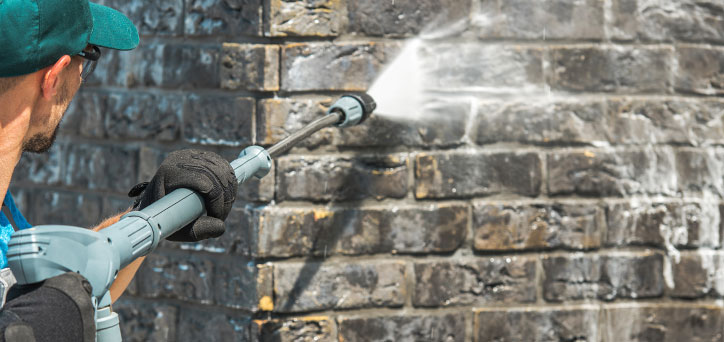
DIY Method:
-
Dry brush with a stiff nylon brush (don’t use water first).
-
Vacuum or wipe away loose dust.
-
Apply a vinegar solution (1 part vinegar to 5 parts water).
-
Gently scrub or lightly pressure wash from a distance and rinse with clean water.
For Tougher Deposits:
Use a mild acid cleaner such as sulfamic acid or a UK-branded efflorescence remover, Be sure to correctly wash this off with a pressure wash from a distance to rinse down with clean water.
Ongoing Maintenance Tips
Efflorescence often returns if moisture issues persist. Stay ahead of the problem by:
-
Inspecting twice a year (spring and autumn)
-
Clearing gutters and ensuring water drains away from walls
-
Maintaining sealants—reapply every 2–3 years
-
Using a dehumidifier in enclosed interior installations
-
Monitoring for leaks in exterior walls or bathrooms
Common Questions
Q: Can I just paint over efflorescence?
A: No. The paint will peel if the underlying salts are still active. Always treat the cause before painting.
Q: Will it go away on its own?
A: Sometimes, especially in new builds. But recurring efflorescence means moisture is still entering.
Q: Is efflorescence common in new installations?
A: Yes. Often seen within the first year due to curing processes. It usually fades, but still needs monitoring.
Final Thoughts
Efflorescence on brick slips and mortar is a clear sign of moisture and salt interaction and while it’s common in the UK, it doesn’t have to be a recurring problem.
With quality materials, proper installation, and good maintenance, you can preserve the beauty and durability of your brick slip walls for decades to come.
Don’t just wipe it off, solve it at the source.